





Let’s create
success together.
Data integration for automated and consistent data flows
Data is only valuable when it is available, up-to-date, and consistent
Companies today work with a wide variety of different data sources. Product information, customer data, orders, inventory levels, price lists, or documents are created in different systems and must be used in many different places.
In many companies, this exchange is still done manually or via processes that have grown historically. The result is duplicate data maintenance, inconsistencies, and a high administrative effort.
syreta supports companies in automatically consolidating data from different sources, preparing it, and making it usable for business processes.
Our goal is a central, consistent, and reliable data foundation as the basis for efficient processes and well-founded decisions.
Why Data Integration Is Indispensable Today
With each additional system, the complexity of the data landscape increases.
Typical challenges:
- Data exists in multiple systems
- Information differs depending on the source
- Product data is maintained multiple times
- Customer data is incomplete
- Inventory levels do not match
- Reports deliver different results
Without end-to-end data integration, errors, unnecessary effort, and a lack of transparency arise.
Which data sources can be integrated?
ERP systems
- Item master data
- Prices
- Stock levels
- Orders
- Supplier information
CRM systems
- Customer information
- Contacts
- Activities
- Sales data
PIM systems
- Product data
- Media
- Attributes
- Categories
E-Commerce Systems
- Orders
- Product Data
- Customer Data
- Payment Information
Supplier and Partner Portals
- Product Catalogs
- Price Lists
- Availability
- Documents
Individual data sources
- Databases
- CSV files
- Excel files
- APIs
- Legacy systems
Automated data flows instead of manual processes
Many companies invest time every day in:
- Data exports
- Data imports
- Excel reconciliations
- Corrections
- Data cleansing
These activities are error-prone and incur high costs.
With automated data flows, information is processed where it is created and automatically passed on to the relevant systems.
Benefits:
- Higher data quality
- Fewer errors
- Less manual effort
- Faster processes
- Better scalability
Harmonize and standardize data
One of the biggest challenges is bringing data from different sources into a uniform structure.
Examples:
- Different item numbers
- Different categories
- Varying names
- Different formats
- Missing attributes
We develop processes for harmonizing and standardizing data sets.
Product data as a success factor
Especially in e-commerce, success often depends on the quality of product data.
We support companies with:
- Data enrichment
- Categorization
- Attribute management
- Media management
- Data quality assurance
AI-powered data preparation
Modern AI technologies enable the automated processing of large volumes of data.
Possible areas of application:
Data classification
Automatic assignment of data to categories.
Attribute enrichment
Supplementing missing product information.
Data cleansing
Detection and correction of erroneous data records.
Content creation
Automatic generation of product descriptions and marketing content.
Quality control
Checking for completeness and consistency.
Data integration as the foundation of digitalization
Digitalization does not start with software, but with data.
Only when data is fully available, consistent, and up to date can processes be automated and business models be scaled.
That is why data integration often forms the foundation for:
- E-commerce projects
- ERP integrations
- CRM projects
- Automation initiatives
- Business intelligence
- AI applications
Why Syreta?
Understanding of data and processes
We look not only at systems, but at the underlying data flows.
Experience from complex projects
Our projects range from ERP integrations to complex omnichannel solutions.
Automation in focus
Our goal is to reduce manual activities and optimize business processes.
Customized solutions
We develop data integrations that are precisely tailored to your company’s requirements.
Future-proof architectures
Our solutions create the foundation for growth and further digitalization steps.
Frequently Asked Questions
What is meant by data integration?


Data integration describes the automated consolidation and processing of information from different systems and data sources.
Which data sources can be integrated?
ERP systems, CRM solutions, PIM systems, shop systems, supplier portals, databases, APIs, as well as custom applications.
Why is data integration important?
It creates a consistent database, reduces manual tasks and improves the quality of business processes.
Can data be processed in real time?
Yes. Depending on the systems involved, data can be synchronized almost in real time.
What advantages does a central database offer?
Fewer errors, greater transparency, better evaluations and more efficient processes.
What role does AI play in data integration?
AI supports data classification, data cleansing, attribute enrichment, and quality control.
Can existing datasets be adopted?
Yes. Existing data can be analyzed, cleaned, and integrated into new processes.
How does a data integration project proceed?
Analysis of data sources, design of data flows, technical implementation, testing, and ongoing optimization.
Intelligently connect data and leverage potential
Data is the foundation of modern business processes. Through intelligent data integration, you create the basis for automation, digitization, and sustainable growth.
Case Studies
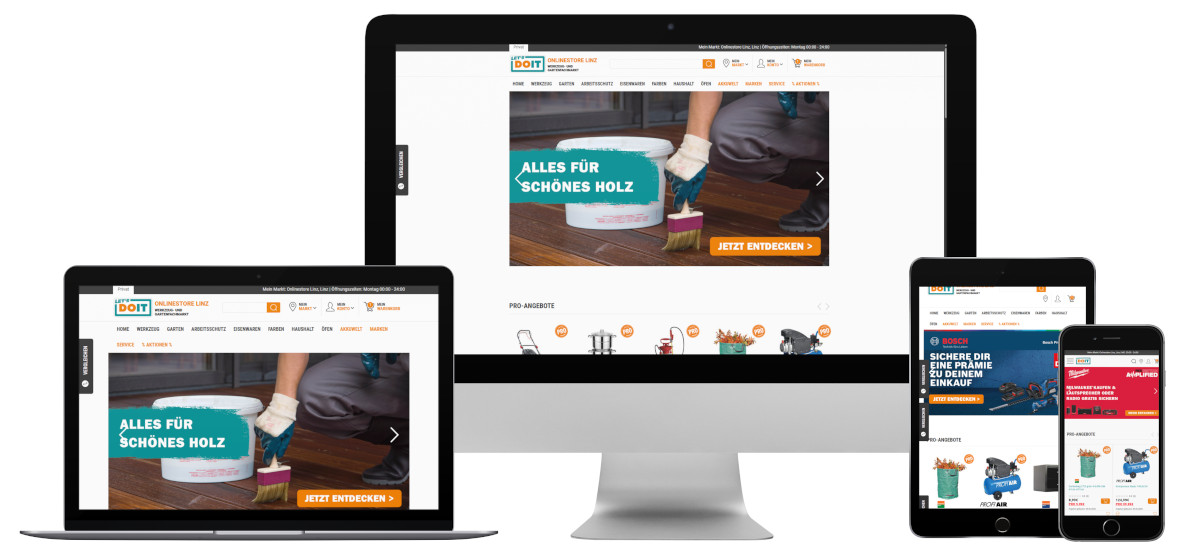
Case Study: LET'S DOIT
syreta developed a central omnichannel platform for LET'S DOIT to connect the online shop, stores, the customer loyalty card app, consultation terminals, and marketplaces. By integrating SAP, BMD, and MDS, prices, inventory levels, and product data are automatically synchronized and made available across all channels.
mehr lesen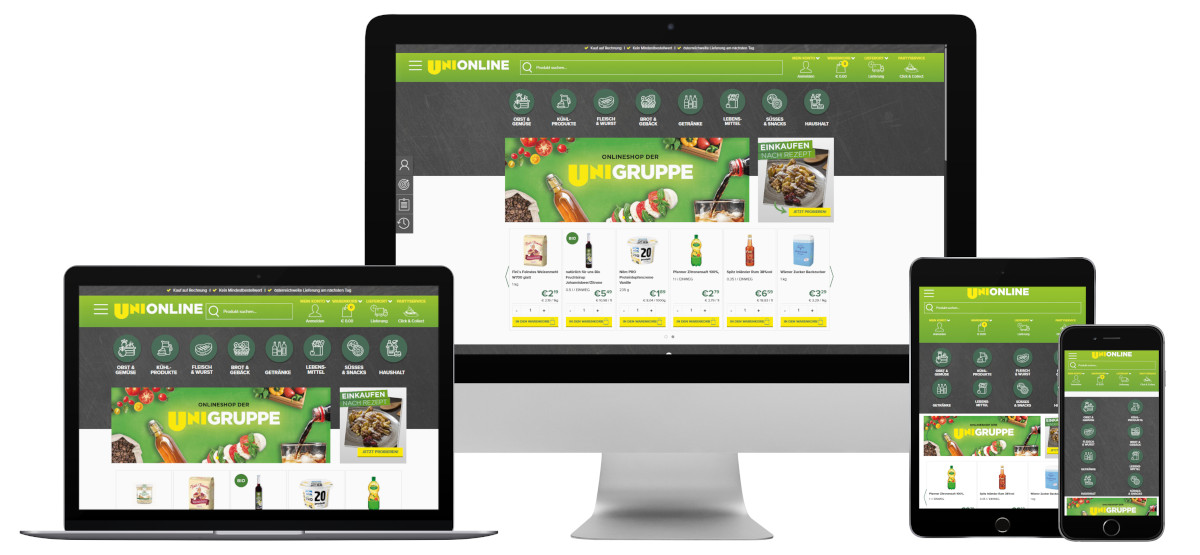
Case Study: Unimarkt
Together with syreta, UNIMARKT implemented a comprehensive omnichannel solution for brick-and-mortar and digital grocery retail. Prices, inventory levels, orders, and customer cards are synchronized automatically and made available via the webshop, stores, click & collect, and delivery services such as Lieferando and mjam.
mehr lesen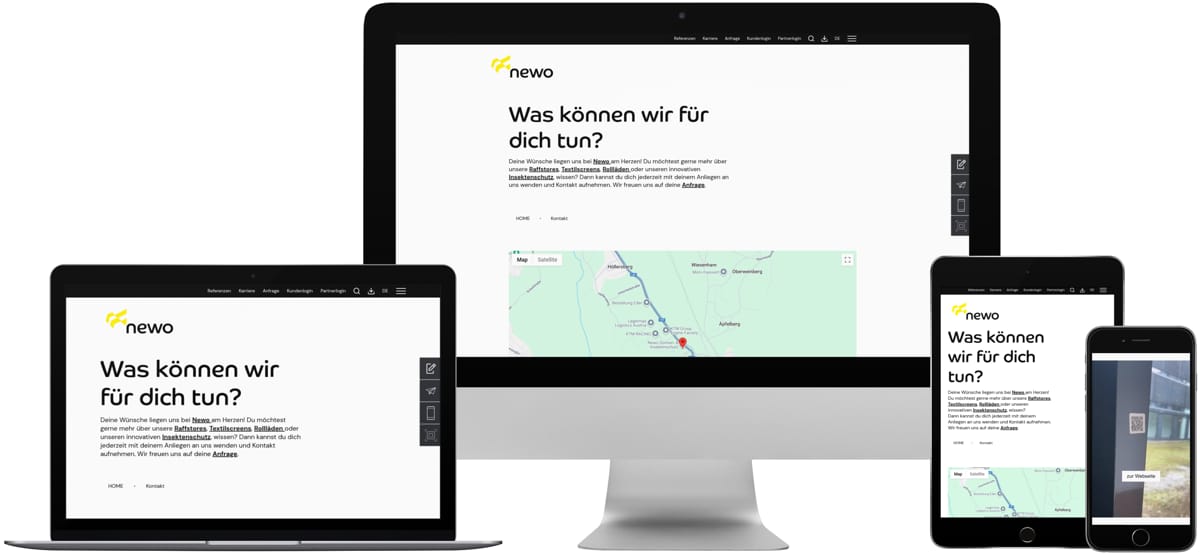
Case Study: newo
For newo, syreta created a QR code-based service platform that intelligently links product, customer, and order data. Automated processes enhance service quality and reduce manual effort.
mehr lesen